

Daylight savings time (DST) is a widely practiced time adjustment aimed at maximizing daylight hours. However, the biannual shift can have significant implications for mental health, particularly for individuals receiving mental health care. The disruption to circadian rhythms, sleep patterns, and overall well-being necessitates that mental health professionals and patients alike prepare for the potential psychological effects.
Circadian Rhythms and Sleep Disruptions
One of the most immediate effects of DST is its disruption to circadian rhythms
the internal clock that regulates sleep-wake cycles. The sudden shift, even if only by an hour, can lead to sleep deprivation, increased fatigue, and mood instability. Research has shown that sleep disturbances are directly linked to higher rates of anxiety, depression, and even suicidal ideation (Harrison, 2013). Mental health care providers often see an uptick in symptoms among individuals with pre-existing conditions following the transition.
Seasonal Affective Disorder (SAD) and Mood Changes
The fall transition into standard time results in shorter daylight hours, exacerbating symptoms of Seasonal Affective Disorder (SAD), a type of depression that occurs cyclically with seasonal changes. The abrupt reduction in natural light exposure can lead to increased lethargy, decreased motivation, and mood imbalances. A study by Wehr et al. (2001) found that individuals affected by SAD are particularly vulnerable to the negative effects of DST. For patients prone to seasonal depression, mental health practitioners often recommend light therapy, adjusted medication schedules, and structured daily routines to mitigate these effects.
Impacts on Mental Health Treatment
Mental health care providers may also notice changes in patient engagement and treatment effectiveness during the DST transition. Sleep disruptions can decrease cognitive function, making it harder for patients to engage in therapy, retain information, and adhere to treatment plans. Additionally, the loss of daylight hours in the evening can reduce opportunities for outdoor activities, social interactions, and exercise factors crucial for maintaining mental well-being.
Strategies for Mitigation
To counteract the negative effects of DST, mental health professionals suggest several strategies:
- Gradually adjusting sleep schedules a few days before the time change
- Prioritizing natural light exposure during daylight hours
- Maintaining consistent routines to support emotional stability
- Encouraging patients to track their mood and symptoms for early intervention
As research continues to highlight the mental health impacts of DST, mental health professionals must take proactive steps to support their patients through these transitions.
References
- Harrison, Y. (2013). 'The impact of sleep loss on cognitive performance and mood.' Sleep Medicine Clinics, 8(4), 517-527.
- Wehr, T. A., Sack, D. A., & Rosenthal, N. E. (2001). 'Seasonality and affective disorders.' Psychiatric Clinics of North America, 24(2), 275-292.

Wondering what ADD/ADHD testing in Meridian, ID actually involves? This post walks you through the evaluation process and what to expect at each step.

If you or your child has ADHD, you’ve probably heard the usual suggestions: medication, therapy, routines, sleep. All valid. All important. But here’s one you almost certainly haven’t heard from a clinician yet: go dig in the dirt. This isn’t folk wisdom. It’s emerging science, and for the ADHD brain specifically, the connections are genuinely fascinating. First, understand what ADHD actually is in the brain. ADHD is fundamentally a disorder of neurotransmitter regulation, specifically dopamine and norepinephrine. These chemicals govern focus, impulse control, motivation, and the ability to sustain directed attention. When their availability in key brain circuits is disrupted, the result is the inattention, impulsivity, and dysregulation that define the condition. Stimulant medications like methylphenidate and amphetamines work by blocking the reuptake of these neurotransmitters, increasing their concentration where the brain needs them most. According to a foundational review by Biederman and Faraone published in The Lancet, this dopamine-norepinephrine disruption is at the core of ADHD neurobiology, and understanding it is key to understanding why dirt, of all things, might actually help. Enter the gut-brain axis and a bacterium called M. vaccae. A growing body of research has established that the gut microbiome, the trillions of microorganisms living in your digestive tract plays a direct role in ADHD neurobiology. A pilot study out of Radboud University in the Netherlands, published in PLOS ONE, found that gut microbial composition differed meaningfully between adolescents and adults with ADHD and healthy controls, with specific bacterial changes linked directly to dopamine synthesis pathways. In short: the bugs in your gut influence the brain chemistry behind ADHD. This is where soil enters the picture. A harmless bacterium called Mycobacterium vaccae lives naturally in dirt almost everywhere on earth. Researchers at Bristol University and University College London found that when mice were exposed to it, the bacterium activated serotonin-producing neurons in the brain and altered behavior in a manner similar to antidepressants. A subsequent review published in Neuroscience by Dr. Christopher Lowry and colleagues confirmed the mechanism: M. vaccae triggers immune-neural signaling that activates the brain’s serotonergic system the same pathway targeted by many psychiatric medications. Why does serotonin matter for ADHD? Because serotonin and dopamine are deeply interconnected. Serotonin modulates dopamine activity in the prefrontal cortex, the exact region most impaired in ADHD. Boosting serotonin through natural pathways may help stabilize the very system that makes focus and impulse control so difficult. Nature literally recharges the ADHD brain. Beyond microbiology, there’s another well-researched mechanism at work. Psychologists Rachel and Stephen Kaplan at the University of Michigan developed Attention Restoration Theory (ART), which proposes that the brain has two modes: directed attention (effortful, task-driven focus) and involuntary attention (effortless, fascination-driven engagement). The ADHD brain burns through directed attention faster than neurotypical brains and recovers it more slowly. Natural environments, gardens, trails, parks, bare soil in a backyard engage involuntary attention almost exclusively, giving the directed attention system time to rest and recover. A 2024 systematic review by Hood and Baumann, published in the International Journal of Environmental Research and Public Health, concluded that green spaces have measurable benefits for restoring attention specifically in children with ADHD, and that ART is “most relevant in relation to ADHD” precisely because inattention is its defining symptom. Research published by Dr. Frances Kuo and colleagues in the American Journal of Public Health confirmed that children with ADHD who spent time in outdoor green settings experienced measurable reductions in symptoms with Kuo noting that even brief, one-time exposures produced short-term improvement. And a large epidemiological study in The Lancet Planetary Health found that consistent childhood exposure to green space was independently associated with a significantly reduced risk of developing ADHD altogether with the greener the environment, the stronger the protective effect. So, what does this look like practically? You don’t need a farm or a formal program. Exposure to M. vaccae happens through skin contact, inhalation, and even minor abrasions meaning digging in a garden bed, walking barefoot in grass, or letting kids play freely in a yard with natural soil all count. The key is regular, repeated contact with natural, unsterilized outdoor environments. For individuals with ADHD, the research suggests making outdoor “dirt time” a structured part of the daily routine not just a reward or a weekend activity. Think of it as a low-cost, zero-side-effect complement to whatever treatment plan is already in place. The bottom line The ADHD brain is not broken. It’s a brain wired for novelty, movement, and engagement and it turns out that’s precisely the kind of brain that may respond most dramatically to what the natural world offers. From soil bacteria modulating serotonin and dopamine pathways, to natural environments restoring depleted attentional reserves, the science points in a clear direction: get outside, and get your hands in the ground. None of this replaces a comprehensive ADHD evaluation and treatment plan. But as a complement? It’s hard to argue with free, side-effect-free, and backed by peer-reviewed research. At MAP’s dedicated ADHD clinics, we take a comprehensive view of what it means to support the ADHD brain medication management, behavioral strategies, and yes, the lifestyle factors that actually move the needle. If you’re ready to find your way forward, we’re here.

Artificial intelligence is quickly becoming part of mental health care—and many people with ADHD are starting to wonder if it could help them manage focus, organization, and daily overwhelm.

When someone you love is diagnosed with ADHD, it can bring a mix of emotions: relief, confusion, hope, and sometimes skepticism.

New Year’s resolutions can be especially challenging for individuals with ADD or ADHD. While the intention to “do better” or “be more organized” is common, traditional resolution frameworks often rely on consistency, long-term planning, and sustained motivation—areas that ADHD directly affects.
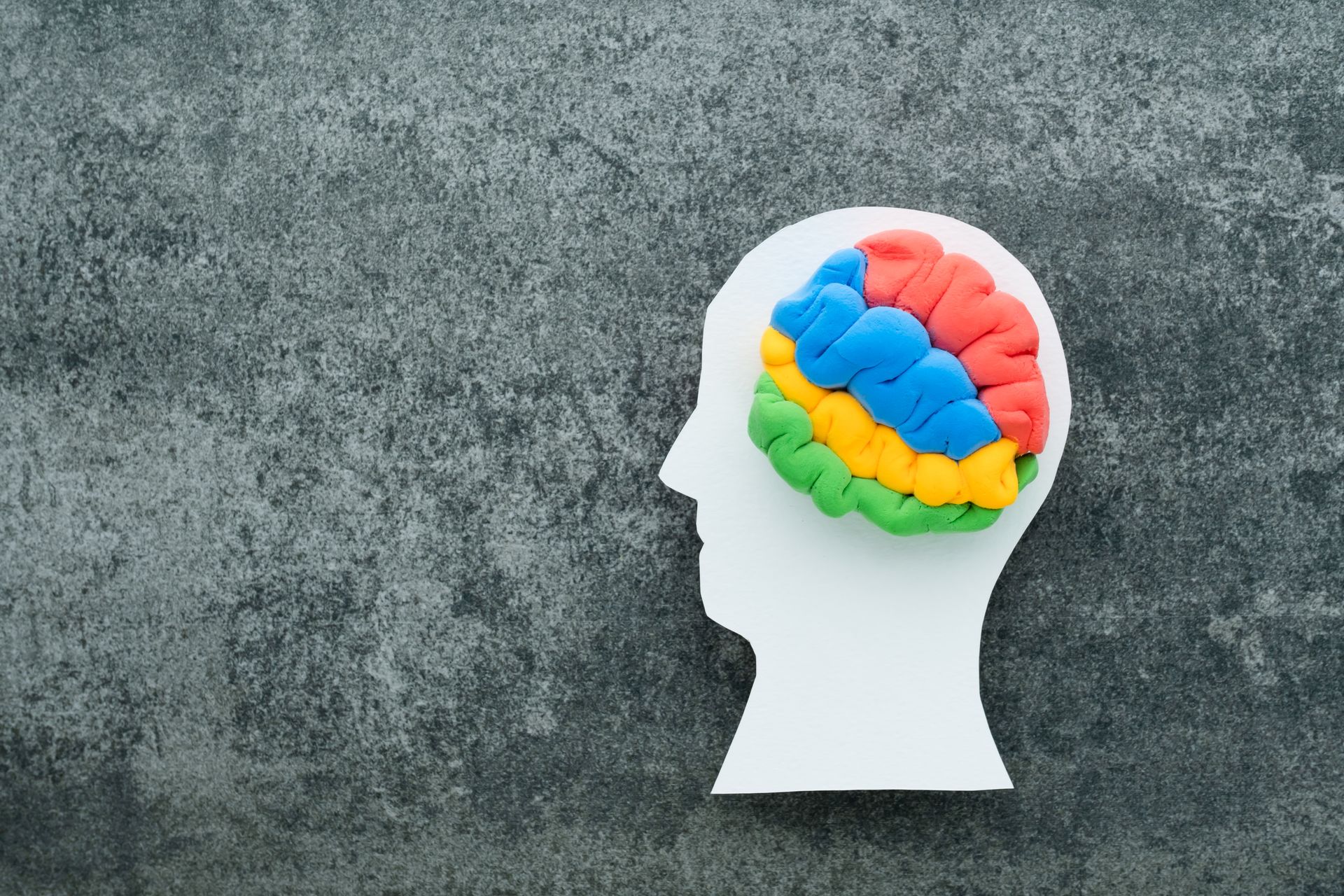
October is ADHD Awareness Month, a national campaign led by the ADHD Awareness Month Coalition with partners such as CHADD and ADDA. The goal is simple and urgent: replace myths with facts and help more people get timely, evidence-based care. ADHDAwarenessMonth 2025+2ADDA+2 What ADHD is—and isn’t. ADHD is a neurodevelopmental condition that can affect attention, working memory, organization, and impulse control. It often begins in childhood and can persist into adulthood, shaping how we learn, work, and relate to others. Many adults recognize symptoms only later in life—sometimes after a child in the family is evaluated. Authoritative public-health sources (CDC, NIMH) emphasize that ADHD is common and treatable. CDC+1 Why a real evaluation (“testing”) matters. An ADHD assessment is more than a quick checklist. Best practice includes a thorough clinical history across settings (home/school/work), validated rating scales from multiple informants, and careful screening for conditions that can mimic or co-occur with ADHD (anxiety, depression, sleep disorders, learning differences). For children and adolescents, the American Academy of Pediatrics provides detailed guidance on diagnosis and treatment. Adults benefit from a similarly comprehensive approach adapted to work and home demands. Pediatrics Treatment works —and it’s not one-size-fits-all. Evidence-based options include behavior therapy/coaching, skills-based psychotherapy (e.g., CBT for ADHD), school or workplace accommodations, and medications (stimulant and non-stimulant). Care plans are individualized and often combine strategies for the best results. Public-health guidance from the CDC and NIMH underscores that treatment can reduce symptoms and improve functioning across the lifespan. CDC+1 Four practical steps you can take this month: Start the conversation. Ask your primary care clinician or a mental-health professional about an ADHD evaluation; bring real-world examples (missed deadlines, distractibility while driving, school feedback). Pediatrics Explore treatment choices. Discuss behavior therapy, coaching/CBT, and medication options—and how they fit your goals. CDC+1 Set up supports at school/work. Request reasonable accommodations (structured deadlines, written instructions, reduced-distraction testing). National Institute of Mental Health Use reliable resources. The ADHD Awareness Month site, CHADD, and ADDA host toolkits, webinars, and local supports throughout October. ADHDAwarenessMonth 2025+2ChADD+2 Awareness month is a great time to move from “maybe” to action. A thoughtful evaluation and the right mix of tools can change the trajectory at school, at work, and at home. References ADHD Awareness Month Coalition. “ADHD Awareness Month.” (campaign hub with resources and events). ADHDAwarenessMonth 2025 Centers for Disease Control and Prevention (CDC). “Treatment of ADHD.” (overview of evidence-based treatments for children and adults). CDC American Academy of Pediatrics (AAP). Clinical Practice Guideline for the Diagnosis, Evaluation, and Treatment of ADHD in Children and Adolescents. (Pediatrics, 2019). Pediatrics National Institute of Mental Health (NIMH). “ADHD—What You Need to Know.” (symptoms, diagnosis, treatments). National Institute of Mental Health
October marks Domestic Violence Awareness Month, a time to name the problem and connect people to help. Domestic violence (intimate partner violence, or IPV) includes patterns of physical harm, sexual violence, stalking, or psychological aggression. It affects millions and carries serious health consequences—from injuries to depression, PTSD, and chronic disease. The CDC’s national data underscore the scope and impact. CDC Health care teams have a role, too. The U.S. Preventive Services Task Force recommends clinicians screen women of reproductive age (including during pregnancy and postpartum) for IPV and connect people who screen positive to services—an evidence-based step shown to improve safety and well-being. USPSTF If you are concerned about your safety—or are supporting someone who is—consider these actions: Talk to a clinician you trust. You can say, “I’m not sure I’m safe at home.” Your provider can screen confidentially, document injuries, and refer you to advocates and legal resources. (If using a shared phone/portal, ask about private contact methods.) Create a safety plan. Identify safe rooms/exits, pack a small “go bag” (IDs, medications, keys, cash, copies of important documents), and choose a code word with a friend to signal you need help. Use confidential help lines. The 988 Lifeline supports people in emotional crisis. For domestic violence–specific support and local shelters, call 1-800-799-SAFE (7233) or chat at thehotline.org. Protect your digital trail. Use a device your partner can’t access if possible. Clear browser histories, use private browsing, and consider a new email for communications with advocates or clinicians. Know emergency options. If you fear immediate harm, call 911. Ask about protective orders, victim advocacy, and medical forensic exams where applicable. If you’re a friend or colleague : Believe them, avoid blaming questions, offer rides/childcare, and help gather essentials. Safety—and the survivor’s choices—come first. Domestic violence is common, serious, and preventable. Screening and support save lives, and confidential resources are available even if you’re not ready to leave. You are not alone. CDC+1
A new national report from Mental Health America places Idaho 48th overall for mental health, reflecting a combination of high need and limited access to care. The ranking comes from MHA’s annual State of Mental Health in America analysis, which aggregates 17 indicators spanning prevalence, insurance coverage, youth depression, and provider availability. Mental Health America Local coverage confirms Idaho’s position in this year’s release. KBOI Rankings are not destiny—but they do spotlight gaps Idahoans experience every day: long waitlists, workforce shortages, and rural access hurdles. MHA’s framework helps explain why states can fall behind even when communities work hard: it measures both how many people are struggling and how easy it is to get timely, affordable care. Mental Health America If you or someone you love needs support, here are practical steps you can take today: Start with one conversation. Talk to your primary care clinician about mood, sleep, anxiety, or substance use. Ask for a screening (PHQ-9 for depression, GAD-7 for anxiety) and referrals that fit your location and insurance. Use fast, free crisis support. Call or text 988 to reach the Suicide & Crisis Lifeline. They can de-escalate, connect you to local resources, and advise loved ones on how to help. Ask for access options. Many practices can shorten waits with telehealth, group therapy, collaborative care (therapy + meds coordinated with your PCP), or interim check-ins with nurses/behavioral health coaches. Clarify coverage. Contact your health plan for in-network therapists and psychiatrists; ask about telehealth, out-of-network benefits, and any cost-sharing. If you’re uninsured or underinsured, request sliding-scale or charity rates from clinics. Lean on supports you trust. Tell a friend or family member, or connect with community groups and faith communities. Bring someone to appointments if that feels helpful. Keep a simple plan. Write down your top 3 coping tools (walk, breathe, call a friend), your provider’s number, and 988. Put it in your phone notes. Idaho’s ranking is a call to action—for policymakers and health systems, yes, but also for each of us to normalize care-seeking and help one another navigate to support. When people get the right care at the right time, outcomes improve—and so do communities.
Every September, communities across the country come together for National Suicide Prevention Awareness Month. This month is dedicated to raising awareness, reducing stigma, and encouraging open conversations about mental health and suicide prevention. Why This Month Matters Suicide is a leading cause of death in the United States. In 2022 alone, more than 49,000 Americans died by suicide ( CDC ). Suicide can affect anyone—people of all ages, backgrounds, and experiences. Many who die by suicide struggle with depression, anxiety, or other mental health conditions, often without adequate support or treatment (NIMH). By learning the warning signs, reaching out to loved ones, and connecting people to help, we can save lives. How You Can Help Know the warning signs: Talking about wanting to die, withdrawing from friends, changes in mood or behavior, or increased use of alcohol or drugs are all potential warning signs. Check in with loved ones: If you’re worried about someone, ask how they’re feeling and listen without judgment. Encourage professional support: Mental health treatment works. Help friends and family find a therapist, doctor, or support group. Share crisis resources: Let people know they can call, text, or chat 988 to reach the Suicide and Crisis Lifeline anytime, 24/7 ( 988lifeline.org ). You’re Not Alone If you or someone you care about is struggling, there is help and hope. Talking about suicidal thoughts does not make things worse—listening and showing support can be lifesaving. Resources 988 Suicide and Crisis Lifeline — call, text, or chat 988 anytime SAMHSA Suicide Prevention Resources — Visit here CDC Suicide Prevention Facts — Visit here Our Commitment We believe that mental health care is health care. This September—and every month—we’re committed to supporting individuals, families, and communities by providing compassionate, evidence-based care.

As the back-to-school season approaches, many mothers brace themselves—not just the kids. Beneath the excitement of new backpacks and first-day photos, a quieter emotional struggle often unfolds. Moms can find themselves wrestling with waves of anxiety and even depression as routines shift and children return to school. The pull of separation anxiety isn't just a childhood phenomenon. Research shows that mothers with underlying anxiety or depression can find life transitions—like the start of school—particularly triggering. Maternal mental health is closely linked to parenting stress, and anxiety can heighten concerns about safety, performance, and social adjustment (The Independent, 2021). Moreover, maternal depression and anxiety have been shown to impact mother–child interactions and are associated with increased emotional and behavioral difficulties in children (BMC Public Health, 2024). These challenges are not limited to mothers of young children. While postpartum depression affects roughly one in seven new mothers, with nearly half remaining undiagnosed, its effects can persist well beyond infancy (BMC Public Health, 2024). As children grow, milestones like starting school can resurface feelings of loss, inadequacy, or uncertainty. The start of a school year also disrupts household rhythms. Homes that once thrived on all-day togetherness suddenly fall silent, and moms may find themselves second-guessing: Is my child safe? Am I doing enough? These thoughts can spiral into persistent worry or low mood, especially for those already vulnerable to anxiety or depression. External pressures—work schedules, social comparisons on social media, and guilt over “letting go”—can compound these emotions. Even routine school events like drop-off or parent–teacher conferences can carry unexpected emotional weight, sometimes triggering tears or feelings of isolation. What Can Help? Normalize the feelings : Recognizing that many mothers experience similar emotions can help reduce isolation. Reach out: Schedule check-ins with other parents. Peer support can help regulate stress. Create rituals : Daily “share your day” traditions strengthen connection and reduce anxiety. Seek professional help when needed : Persistent sadness, anxiety, or functional impairment are valid reasons to speak with a healthcare provider. Sending a child back to school may be a rite of passage for kids, but for mothers, it can be laden with emotions. Acknowledging those feelings—and treating them with care—can make all the difference in easing the transition from summer freedom to the structure of the school year. References : The Independent. (2021). Parents’ anxiety about children starting school is real – and it’s on the rise. Retrieved from https://www.the-independent.com/life-style/health-and-families/anxiety-children-parents-school-skip-health-b2807905.html BMC Public Health. (2024). Prevalence and risk factors of maternal depression and anxiety. https://bmcpublichealth.biomedcentral.com/articles/10.1186/s12889-024-18502-0